As an Amazon Associate we earn from qualifying purchases. Learn more.
Brake Caliper Lube vs Anti-Seize: Which To Use? (2026 Comparison)
If you’re fighting rattles, corrosion or sticking brake calipers you’ve likely heard both “caliper lube” and “anti-seize” tossed around. This guide breaks down when to use each, and compares three real-world products you can buy today: two dedicated caliper greases and a powerful brake cleaner for prep. You’ll learn which compound to apply to guide pins, slider surfaces and bolts, what to avoid, and which product from our short list fits your budget and needs. Products were chosen for relevance to caliper maintenance, customer feedback on durability and noise control, and real-world usefulness for DIYers and pros.
Quick Answer
For most caliper slides and pins use a high-temp synthetic brake caliper grease — CRC Sta-Lube SL3303 is the best overall pick for budget-conscious DIYers. Use a synthetic caliper grease (CRC 05353 for longer durability) on slides/pins and use anti-seize only on exposed threads or fasteners, not sliding surfaces.
Our Top Picks
Quick Comparison
Select 2-3 products to compare side-by-side
| Compare | Product | GarageGist Score | Price Tier | Key Feature | Best For | Action |
|---|---|---|---|---|---|---|
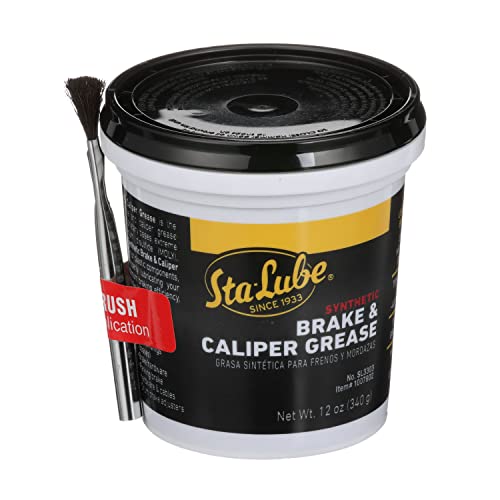 CRC Sta-Lube SL3303 |
Budget | Synthetic caliper grease in 12 oz tub | Budget-focused DIY caliper servicing | Check Price | ||
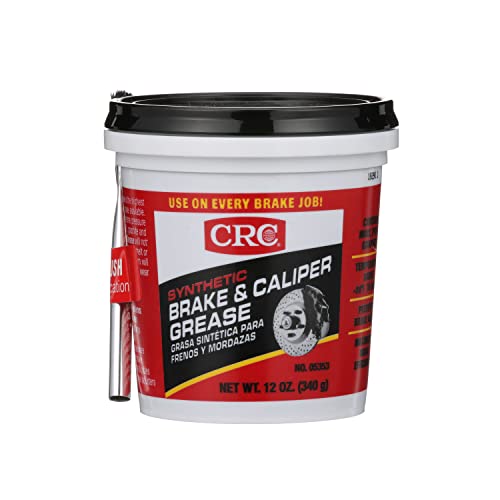 CRC 05353 Grease |
Mid-Range | High-performance, moisture resistant formula | Long-term durability and wet climates | Check Price | ||
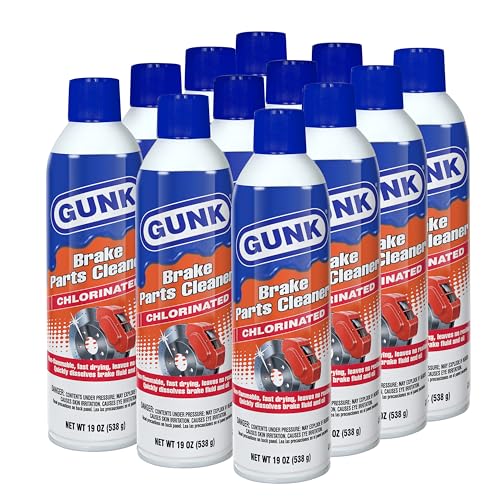 GUNK Brake Cleaner |
Premium | Chlorinated, non-flammable fast-drying formula | Cleaning pads, rotors and calipers before lube | Check Price |
1. CRC Sta-Lube SL3303 Brake Caliper Synthetic Grease - 12 Wt Oz.
A straightforward, value-oriented synthetic brake caliper grease that customers praise for functionality and size. Performs well on metal-to-metal contact points to reduce squeal and binding, making it a solid choice if you want dependable results without a premium price.
Key Specs
- Synthetic grease formula suitable for calipers
- 12 wt oz container
- Designed for metal-to-metal sliding contact
- Works to reduce vibration, squeal and caliper binding
Pros
- Better value than CRC 05353 for the same basic caliper duties
- Good tub size and easy to apply compared with spray-only cleaners
- Effective at eliminating squeal on metal contact points
Cons
- Less specialized moisture/washout resistance than CRC 05353
- Not a surface cleaner — needs prep with a brake cleaner for best adhesion
Best For: Budget-focused DIY caliper servicing
Check Latest Price on Amazon2. CRC 05353 Brake Caliper Grease - 12 oz.
A high-performance synthetic brake caliper grease formulated for disc and drum systems. Known for moisture resistance and long-lasting lubrication, it’s a better fit when durability and corrosion protection matter more than upfront cost.
Key Specs
- High-performance synthetic grease designed for brake systems
- Plastic and rubber safe
- Moisture resistant; resists washout
- 12 wt oz tub
Pros
- Better moisture and corrosion resistance than CRC Sta-Lube SL3303
- Stops squeaks and keeps calipers sliding longer than basic greases
- Plastic and rubber safe for use around boots and seals
Cons
- Higher cost than budget greases
- Some users report a tacky/sticky feel that requires careful application
Best For: Long-term durability and wet climates
Check Latest Price on Amazon3. GUNK Brake Parts Cleaner Non-Flammable Brake Cleaner Spray Can 14 oz (Case of 12)
A powerful, fast-drying chlorinated brake parts cleaner that strips oil, grease and brake dust without leaving residue. Ideal for prepping slider pins and mating surfaces so grease or anti-seize bonds properly.
Key Specs
- Chlorinated formula for strong cleaning power
- Non-flammable, fast-drying
- Designed for pads, rotors and calipers
- Leaves no residue
Pros
- Cleans better than greases—essential prep before lubrication
- Non-flammable formula is safer for garage use than some chlorinated sprays
- Fast-drying and leaves no residue for immediate reassembly
Cons
- Strong, harsh smell noted by many customers
- Not a lubricant — won’t prevent sticking or lubricate slides on its own
Best For: Cleaning pads, rotors and calipers before lube
Check Latest Price on AmazonWhich One Should You Choose?
If budget is tight → pick CRC Sta-Lube SL3303 (B000CPIOAG). It’s a reliable, value-oriented synthetic grease that performs the basic caliper duties well and leaves room for multiple jobs per tub.
If long-term durability and moisture resistance matter → choose CRC 05353 (B000M8IF48). Its synthetic, moisture-resistant formula holds up better in wet climates and reduces re-service intervals.
If you want the right prep tool → get GUNK Brake Parts Cleaner (B00BGSFKR8) to strip grease, brake dust and contaminants before applying any lubricant. Note: anti-seize is still useful for exposed threads and bolts but don’t use it as a substitute for a proper caliper grease on sliding surfaces.
Best for Specific Scenarios
- Routine DIY caliper service: CRC Sta-Lube SL3303 because it’s affordable, easy to apply and sized for a few jobs.
- Wet or coastal climates: CRC 05353 because moisture resistance and corrosion protection extend service life.
- Quick prep and cleanup: GUNK Brake Parts Cleaner because it removes oil, brake fluid and dust quickly so grease bonds cleanly to surfaces.
Frequently Asked Questions
Can I use anti-seize instead of caliper grease?
No — anti-seize is intended for threads and fasteners to prevent galling and corrosion. It is not formulated for sliding caliper surfaces and can be inappropriate around rubber boots or under sliding loads. Use a high-temp synthetic caliper grease on guide pins and slides, and reserve anti-seize for exposed bolts if needed.
Should I clean caliper parts before applying grease?
Always. Use a brake parts cleaner (like GUNK) to remove old grease, brake dust and contaminants. Proper cleaning ensures the grease adheres correctly and prevents trapped debris that can cause noise or sticking.
How often should I relube caliper slides and pins?
Inspect and lubricate slides and pins at every pad change or about every 12–24 months depending on driving conditions. In wet or salty climates check more frequently; moisture-resistant greases like CRC 05353 will extend intervals.
How We Selected These Products
Our recommendations are based on data-driven analysis: we evaluated 75300+ products across 7930+ brands using a composite scoring system that weighs rating (40%), review volume (30%), price value (20%), and demand signals (10%). Every product is ranked by data, not opinions.
Last updated: October 20, 2026
As an Amazon Associate we earn from qualifying purchases at no extra cost to you. Full disclosure.
GarageGist Score is our editorial ranking based on a composite analysis of product quality, value, and verified customer sentiment. Click through to Amazon for current pricing, availability, and live customer reviews.