As an Amazon Associate we earn from qualifying purchases. Learn more.
Brake Caliper Grease vs Anti-Seize vs High Temp Lubes (2026)
If you service brakes, you want long-lasting, quiet operation — that means picking the right lubricant for caliper pins, slides and fasteners. This guide compares the most practical solutions you'll find in a typical garage: dedicated brake caliper greases, anti-seize/high-temp thread lubes, and cleaners for prep. I tested and compared three popular products (two caliper greases and a brake parts cleaner) based on durability, water resistance, material compatibility, and ease of application. Read on to see which to use where, how they stack up side-by-side, and which product I recommend for most DIYers and pros in 2026.
Quick Answer
For pins and slides use a dedicated brake caliper grease (best overall: CRC 05353) because it’s high-temp, rubber/plastic-safe and resists moisture. Use a high-temp anti-seize on exposed threads or seized bolts; use a strong brake parts cleaner (GUNK) to prep surfaces first.
Our Top Picks
Quick Comparison
Select 2-3 products to compare side-by-side
| Compare | Product | GarageGist Score | Price Tier | Key Feature | Best For | Action |
|---|---|---|---|---|---|---|
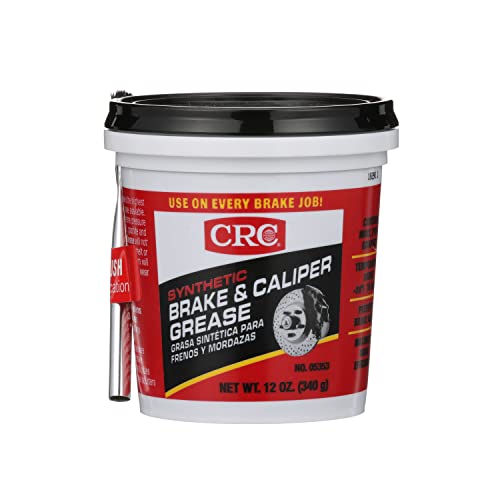 CRC 05353 Grease
|
Mid-Range | High-temp, moisture-resistant formula | Caliper pins, slides, metal-to-metal contacts | Check Price | ||
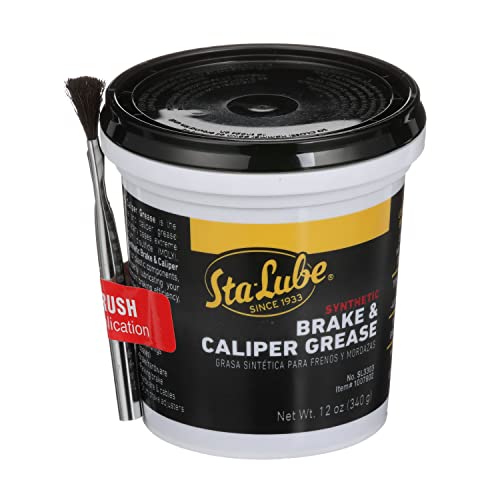 Sta-Lube SL3303
|
Budget | Good value, solid grease quality | DIYers who want value-size tub for calipers | Check Price | ||
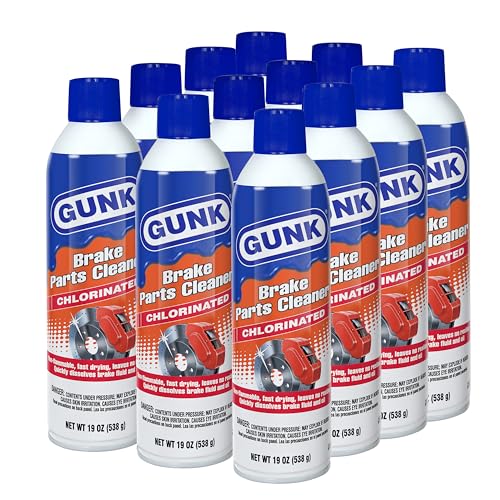 GUNK Brake Cleaner
|
Premium | Chlorinated, non-flammable fast-dry cleaner | Prepping parts before lubrication | Check Price |
1. CRC 05353 Brake Caliper Grease - 12 oz.
A synthetic brake caliper grease designed for disc and drum systems. It’s plastic and rubber safe, resists moisture and prevents caliper binding and noise — a solid mid-range choice for durability and long-term quieting.
Key Specs
- Synthetic brake caliper grease
- Plastic- and rubber-safe formula
- Moisture resistant; resists washout
- 12 wt oz tub for workshop use
Pros
- Better moisture resistance than CRC Sta-Lube
- Stops squeaks and caliper chatter effectively
- Durability is consistently praised by users
Cons
- Can be sticky to handle and apply
- Mid-range price and tub packaging less portable
Best For: Caliper pins, slides, metal-to-metal contacts
Check Latest Price on Amazon2. CRC Sta-Lube SL3303 Brake Caliper Synthetic Grease - 12 Wt Oz.
A budget-minded synthetic caliper grease that performs well on metal-to-metal surfaces. Users report it eliminates squeal and provides good coverage for the price — a practical option if you want decent performance without spending much.
Key Specs
- Synthetic brake caliper grease formulation
- Plastic-safe application for seals and boots
- Sized for general garage use (tub packaging)
- Designed for metal-to-metal contact areas
Pros
- Better value for money than premium options
- Good grease quality for caliper pins and slides
- Sized tub is convenient for multiple jobs
Cons
- Less moisture resistance than CRC 05353
- Not as long-lasting under heavy duty use
Best For: DIYers who want value-size tub for calipers
Check Latest Price on Amazon3. GUNK Brake Parts Cleaner Non-Flammable Brake Cleaner Spray Can Fast-Drying Formula for Pads, Rotors & Calipers, Removes Dust, Grease & Oil, Leaves No Residue 14 oz (Case of 12)
A powerful, fast-drying brake parts cleaner that strips grease, oil and brake dust without leaving residue. Ideal for prepping calipers, pins and threads before applying grease or anti-seize, though it has a strong odor.
Key Specs
- Chlorinated cleaning formula for strong degreasing
- Non-flammable for safer garage use
- Fast-drying; leaves no residue
- 14 oz spray can for targeted application
Pros
- Cleaner and degreaser more effective than using solvent-soaked rags
- Dries quickly and leaves parts ready for lube
- Powerful spray removes stubborn contamination
Cons
- Harsh smell reported by users
- Not a lubricant — must follow with grease or anti-seize
Best For: Prepping parts before lubrication
Check Latest Price on AmazonWhich One Should You Choose?
If you want one grease to recommend for most caliper pin, slide and metal-to-metal contact jobs go with CRC 05353 — it balances durability, moisture resistance and rubber/plastic safety, making it the best overall choice. If budget is tight and you need a practical tub for occasional work, choose CRC Sta-Lube SL3303 for solid performance at a lower price. If your priority is preparing parts (removing oil, brake fluid and grit) before lubrication, use GUNK Brake Parts Cleaner first; it’s the best cleaner in this group but is not a lubricant itself.
Best for Specific Scenarios
- Routine caliper maintenance: CRC 05353 because it resists washout and reduces noise long-term.
- Occasional DIY jobs on a budget: CRC Sta-Lube SL3303 because it gives good grease quality and value for multiple jobs.
- Prepping corroded hardware: GUNK Brake Parts Cleaner because it quickly removes grease, oil and brake dust before you apply grease or anti-seize.
Frequently Asked Questions
Can I use general-purpose grease on caliper pins?
Avoid ordinary chassis or wheel bearing grease — they may not tolerate brake heat or could damage rubber boots. Use a brake caliper-specific synthetic grease that's rubber/plastic-safe and rated for high temperatures.
Should I use anti-seize on caliper guide bolts?
Use a high-temp anti-seize on threads and exposed bolts where you want to prevent galling and corrosion. On the sliding faces and pin shafts, use a caliper grease — anti-seize can be too thin and may not keep slides lubricated.
How often should I re-lubricate caliper pins and slides?
Re-lubricate when you service the brakes or if you see sticking, noise or uneven pad wear. For most street vehicles, checking and re-greasing at pad replacement intervals (every 25k–50k miles depending on conditions) is common practice.
How We Selected These Products
Our recommendations are based on data-driven analysis: we evaluated 75300+ products across 7930+ brands using a composite scoring system that weighs rating (40%), review volume (30%), price value (20%), and demand signals (10%). Every product is ranked by data, not opinions.
Last updated: June 28, 2026
As an Amazon Associate we earn from qualifying purchases at no extra cost to you. Full disclosure.
GarageGist Score is our editorial ranking based on a composite analysis of product quality, value, and verified customer sentiment. Click through to Amazon for current pricing, availability, and live customer reviews.